Information
Prize Bond History
Prize Bonds are government-issued bonds that do not offer regular interest. Instead, they provide everyone a chance to win prizes through draws held on fixed dates at regular intervals. These bonds are considered an investment and are bearer-type securities, meaning whoever holds them can claim them like cash.
The first Prize Bonds in the subcontinent were introduced by the undivided Indian Government on 15 January 1944 in denominations of Rs. 10 and Rs. 100. These were called "Five Year Interest-Free Bonds 1949" and could be encashed on or after 15 January 1949.
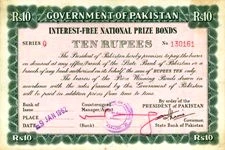
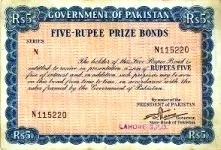
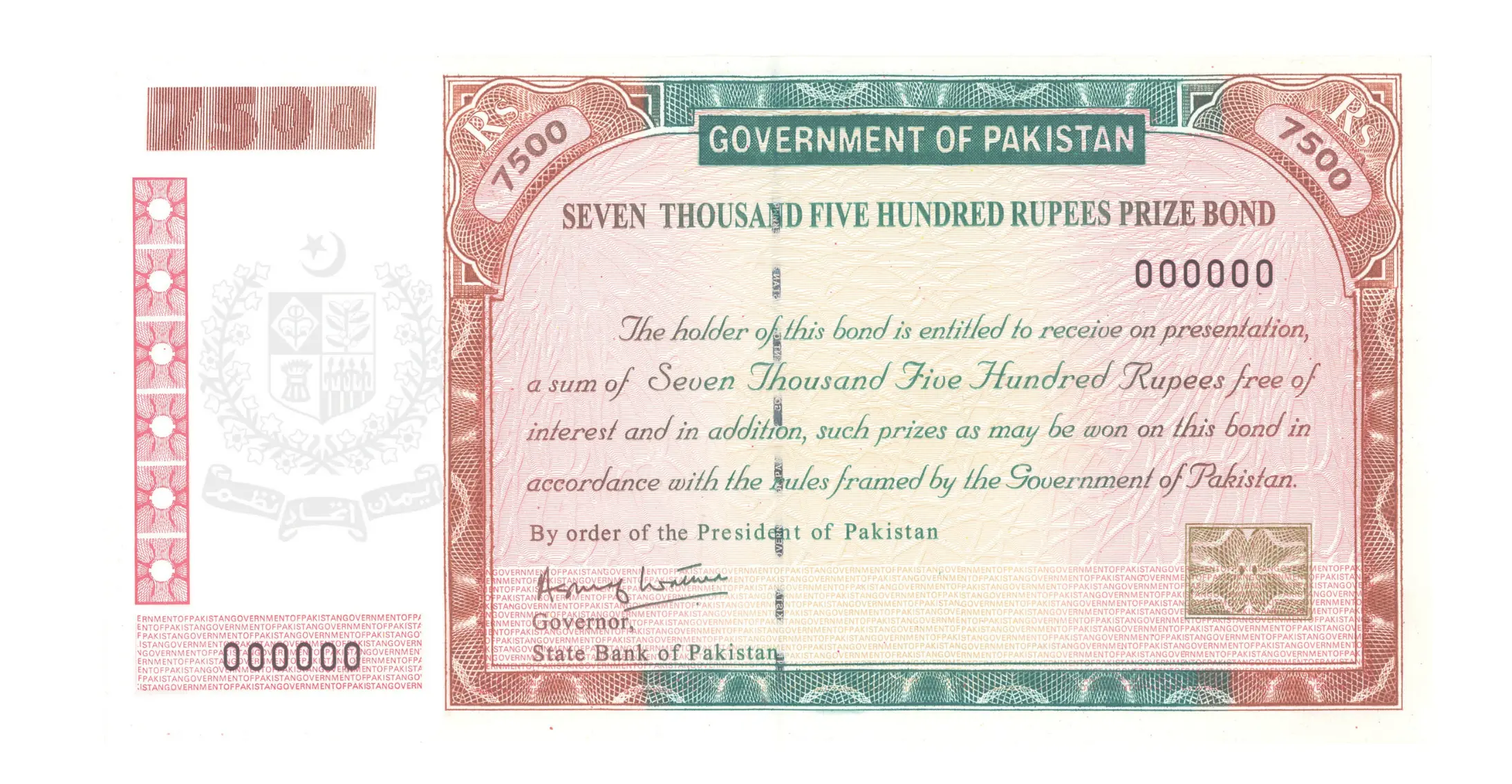
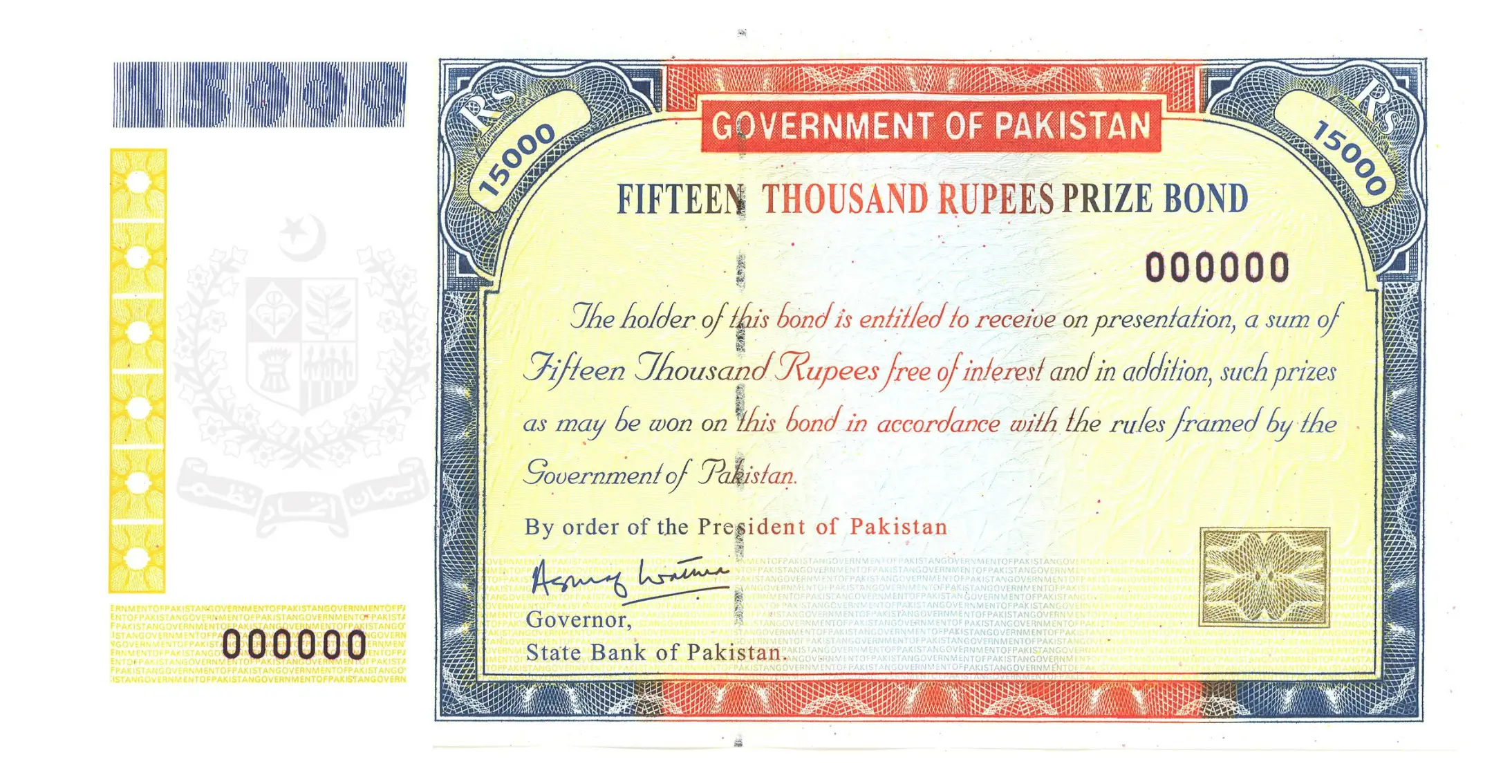
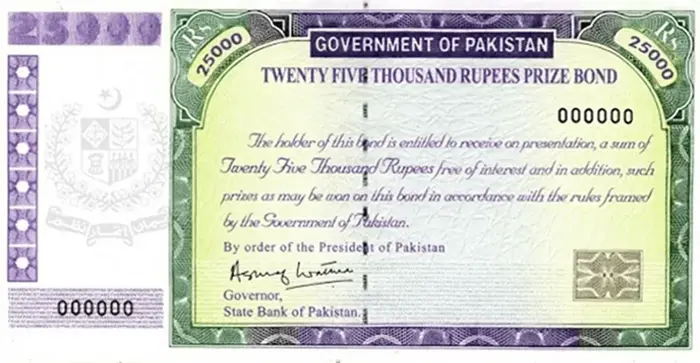
After partition, Pakistan introduced its first interest-free National Prize Bond of Rs. 10 in October 1960. These were managed by the Central Directorate of National Savings (CDNS). The scheme was launched by then minister Gen. K. M. Shaikh, who became the first purchaser of the bond. Over time, additional denominations were introduced, including Rs. 5, 11, 50, 100, 500, 1000, 5000, 10000, and 25000.
Prize Bond draws are held every three months, with the first draw taking place in January 1961. Initially, traditional drums were used for draws, but later imported machines were introduced. Draws are supervised by committees led by a senior government officer with members from the State Bank of Pakistan and CDNS.
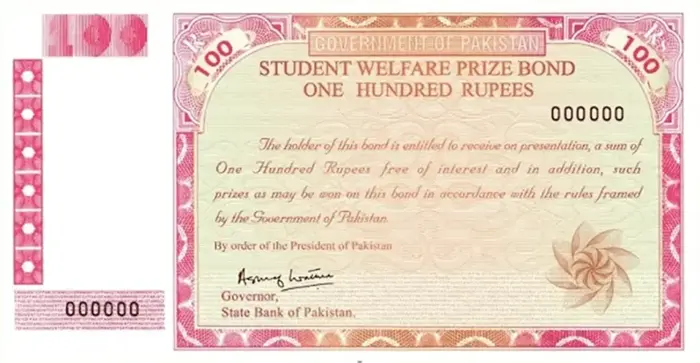
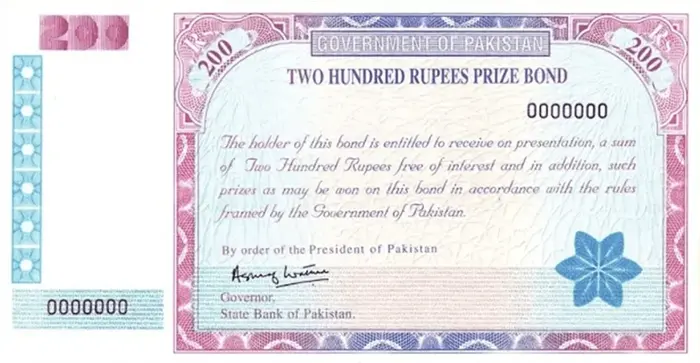
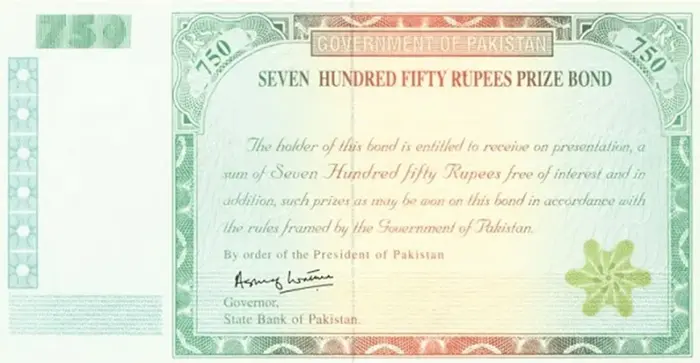
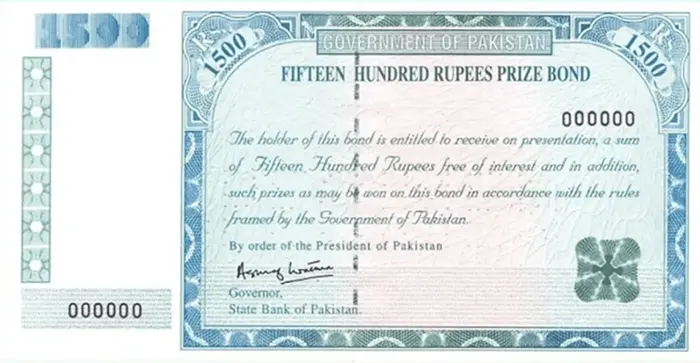
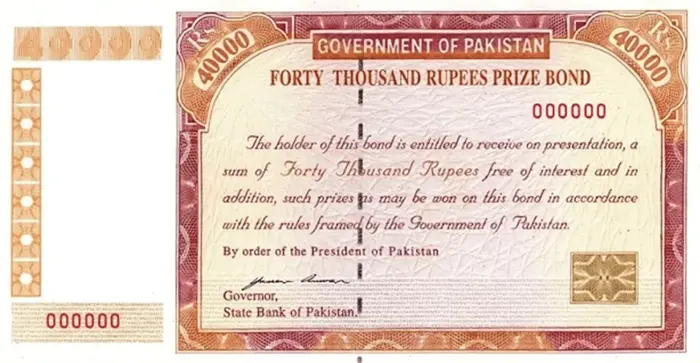
Currently, Prize Bonds in denominations of Rs. 100, 200, 750, 1500, 25000, and 40000 are in circulation.